

The Young Women’s Advisory Board (YWAB) at LAWRS is launching its latest work: ‘Voices of Young Latinas: Peer Research on online abuse and the impact of fetishisation’.
Who We Are
The YWAB is a group of young Latin American women aged 18-25 dedicated to addressing all forms of violence against women and girls (VAWG). We approach this work from our unique lived experiences and intersecting identities as migrants, Latin Americans, and young women. By gathering in a safe, collaborative space, we focus on building leadership and advocacy skills, engaging in policy discussions, and increasing our abilities to influence decision-making spaces to benefit young women in our community.
Our Programme and the design of a Peer Research Report
Our YWAB programme ran from May 2025 to February 2026, with twelve training sessions focusing on feminist activism, self-care for activists, understanding VAWG, tech and online abuse, artivism, and peer research methods. These sessions have been guided by LAWRS’ Staff, Partnership for Young London, and the artist Ximena Ruiz del Rio.
Firstly, we conducted focus groups with board members that have lived experience as Latin American women living and/or studying in London. These discussions allowed us to identify common experiences and refine our research topic. We collectively decided to focus on racial fetishisation and online abuse due to its contemporary relevance and connection to our lived experience. This led to our research question:
What is the impact of the fetishisation on TikTok and Instagram of the ‘Latina’ image on the identities of young Latin American women aged 18 to 25 living in London?
To do so, we opted for a mixed methods approach: semi-structured interviews, an online survey and social media content analysis. We carried out 15 semi-structured interviews with Latin American women aged 18-25 living and/or studying in London. To complement the interview data, we conducted an online survey, which received 36 responses of both quantitative and qualitative data. Finally, we conducted a content analysis of social media posts, focused on TikTok and Instagram to identify patterns of racial fetishisation and sexualised representation. With that, we collaboratively wrote this peer research report that includes our key findings and policy recommendations.
Key Findings
Our research revealed the following key findings:
- The fetishised ‘Latina’ image on TikTok and Instagram reinforces a racialised and patriarchal image of Latin American women.
- Social media perpetuates a ‘Latina’ stereotype of being ‘angry’ or ‘feisty’ but also ‘submissive’ and ‘controllable’.
- TikTok and Instagram amplify fetishising content about ‘Latinas’, which means they are consistently exposed to it, reinforcing and normalising harmful stereotypes.
- Hyper-sexualised physical expectations of the ‘Latina’ stereotype on TikTok and Instagram negatively impacts young women’s relationship with their own body.
- Exposure to fetishing content on TikTok and Instagram can create a sense of detachment from the self.
- TikTok and Instagram push colourist and colonial standards of what Latin American women “should” be.
- Fetishing content about ‘Latinas’ on Tiktok and Instagram contributes to feelings of alienation from their community due to narrow and distorted representations.
- The normalisation of fetishing content about ‘Latinas’ on Tiktok and Instagram desensitises and discourages reporting to social media platforms.
- Online fetishisation deters political participation, as it devalues Latin American women’s voices and public involvement.
These findings provide valuable insights into how racial fetishisation and online abuse can shape identity, belonging, and political participation for young Latin American women in the UK.
Policy recommendations
There is an urgent need for coordinated action across multiple levels. Social media platforms must more effectively flag, monitor, and ban fetishising content. Governmental authorities must legislate accordingly to ensure young women’s rights are protected and guaranteed. Other stakeholders, including organisations and educational settings, must promote prevention programmes that equip young people to recognise, challenge, and report such content. Young women must also be supported to acknowledge this form of violence, recognise it as harmful, and feel empowered to report it, in order to mitigate its impact on body image, self-esteem, and sense of identity and belonging. Without intervention, these stereotypes continue to devalue their voices and deter their political participation.
For a more detailed understanding of our research, including a full description of the key findings and policy recommendations, please read our full report here.
Thank you for supporting the voices of young Latinas.
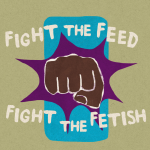
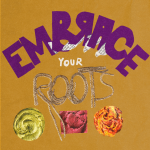
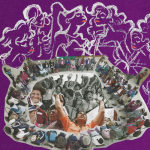
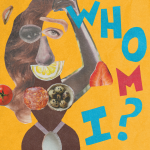
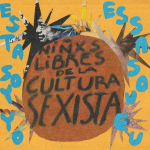
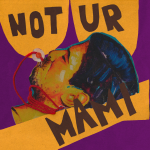
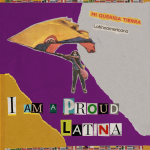
Our Artivism: A Creative Response to Tackle Online Abuse and Fetishisation
As part of our peer research process, we also created a social media campaign that represented our commitment to highlighting how the fetishisation of the ‘Latina’ image is a form of online abuse and the impact it has on the identities of young Latin American women.
Check out the entire campaign, images, and messages on our Instagram pages: Sin Fronteras – LAWRS and LAWRS UK.



Get Involved
If you have any questions or want to participate in our free activities for young Latin American women, we would love to hear from you! Contact us via email at sinfronteras@lawrs.org.uk.
Our activities are open to Latin American girls and young women between 14 and 25 years old living in the UK, including first and second-generation women with Latin American ethnicity and European/UK nationality.